You can sell, rent, transfer, or bequeath itsubject to any limitations included in a different document called a Statement of Covenants, Conditions, and Restrictions (CC&R s) or something similar. The CC&R s explain the requirements and limitations on how timeshare owners utilize the property. If you purchase a right-to-use timeshare interest, you aren't purchasing an ownership interest.
So, you won't get a legal deed. Generally, at the end of a specific number of years, your right to utilize the home ends. With both deeded and right-to-use timeshares, there needs to be a method to allocate the residential or commercial property's use. how to get rid of a timeshare. Typical methods to schedule gos to are by designating weeks or through points.
You can purchase as many weeks as you 'd like, which are fixed, drifting, or turning. With a set week schedule, your week to utilize the timeshare falls at the same time each year. With a floating week schedule, your week varies from year to year. In a rotating schedule, your week also varies from year to year, however it alters based upon a fixed schedule.
The market has now, nevertheless, basically transitioned into point-based systems. Deeded and right-to-use timeshares are sometimes point-based. They're appealing to buyers who have an interest in vacationing not only at the primary property, however at other places, too. In a deeded points-based timeshare, you purchase an ownership interest at one locationyour "home resort" and you'll receive a deed.
You can go to your home resort throughout your designated time, or you can use indicate visit a various, however affiliated, resort. The number of various places you can select from differs widely amongst timeshare developments. Some points-based plans do not have a home resort. You will not get a deed, because you aren't purchasing an ownership interest in real estate.
3 Easy Facts About timeshare marriot How To Cancel Holiday Inn Club Vacation Timeshare Described
In this kind of right-to-use points-based timesharesometimes called a trip club or trip planyou typically get a specific number of points, and exchange them for stays at numerous resorts. Vacation clubs use you access to resorts, but not an ownership interest. As you can see, timeshare arrangements are made complex. Many timeshare designers understand that the timeshare industry has a bad track record, so sellers often call themselves a trip clubeven if they're really offering deeded timeshares.
If you're still puzzled even after attending the discussion, think about talking to a timeshare lawyer who can describe the kind of shared ownership you're being offered. If you attend a timeshare presentation, you'll most likely find out about how much money you can save over the years by purchasing a timeshare rather of spending for hotel rooms and about all the features you'll have the ability to access.
You're likewise not likely to hear that annual maintenance charges, which are already pricey, typically increase, or that you could lose your timeshare if you can't pay the annual fees or home mortgage payments (if you get a loan to buy one). If, after considering all the upsides and downsides, you're still thinking about buying a timeshare or signing up with a getaway club, you need to enter into the discussion with your eyes large open.
The Federal Trade Commission, the state Chief law officer's site, and the state's consumer defense agencies are excellent places to start your research. If you attend the presentation, but require clarification about any of the terms or conditions of the deal prior to choosing to buy or not purchase, consider asking a timeshare lawyer or customer law lawyer to evaluate the agreement (and any Timeshare Scams other documents the seller provided) with you (how to get rid of a timeshare).
Maintenance charges are the yearly charges every Owner spends for the expected operating expenditures of the program, including, however not limited to, all expenditures for the operation, maintenance, repair work or replacement of the Trust Home, costs of performing the powers and tasks of the Trust Association, suitable insurance coverage premiums and related expenses, genuine estate taxes and reserves for capital investment and delayed upkeep.
Not known Facts About How To Get Rid Of My Timeshare
The idea of owning a trip home you can relax at every year can be enticing, but there are a host of considerations that come with buying and maintaining a residential or commercial property. One option is a timeshare, which provides the advantages of a villa, but likewise includes some tradeoffs.
A timeshare is a type of trip home with a shared ownership model. With a normal timeshare, you share the cost of the home with other purchasers, and in return, you get a guaranteed quantity of time at the property each year. In a lot of cases, timeshares are smaller units within a bigger resort residential or commercial property.
In some arrangements, each buyer owns a portion of the home (called "fractional ownership") depending on how much time they prepare to utilize it. In others, each buyer merely leases the home for a duration of time normally for at least several years without in fact owning it. In the past, timeshare buyers were normally locked into one week at a single residential or commercial property.
Timeshare choices typically fall into two broad categories: A deeded timeshare is one in which you acquire ownership interest in the residential or commercial property. Each owner is given a percentage of the home itself, typically based on the time they plan to utilize it. A non-deeded timeshare, also known as a "right to use" timeshare, is one in which you purchase a lease or license to use the residential or commercial property for a set number of years, but do not actually acquire ownership interest in the home.
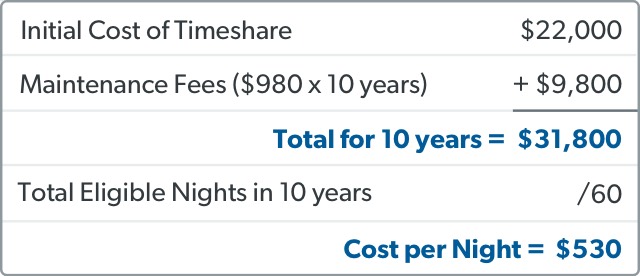
There are also different options covering timeshare usage durations: Gives you access to a particular timeshare property the exact same week each year Offers you flexibility to utilize a timeshare residential or commercial property at any time according to accessibility Gives you access to a timeshare property for a longer quantity of time, such as 4 weeks or 3 months, each year Offers you the ability to buy a certain variety of indicate use in various timeshare places and at different times of year The typical cost of a timeshare is $22,942 per period, according to 2019 data from the American Resort Development Association (ARDA).
The Ultimate Guide To How Do You Sell A Timeshare
If you decide to progress with a timeshare purchase, using savings to pay for it may be much better than funding it. That's because a lot of banks will not lend money for a timeshare since the properties tend to decline, and while timeshare contract timeshare property designers may use funding, it's generally at a much greater interest rate compared to a bank, and for a brief term.
If you're trying to find a routine getaway, then timeshares and villa can both be good alternatives. The best choice depends upon your finances and your general requirements and preferences. With a timeshare, your recurring expenses and time financial investment can be considerably lower. The yearly upkeep fees might be lower than keeping a villa over years, for circumstances, and you won't need to issue yourself with leasing the timeshare while you're not utilizing it.
On the flip side, with a holiday home, you'll have more control over all elements of the home, but you'll likely pay more for it. There's a silver lining to the increased expenses, though: If you need to offer your villa to get rid of a financial obligation, it could be much easier to unload than trying to leave a timeshare agreement. how to sell a timeshare legally.